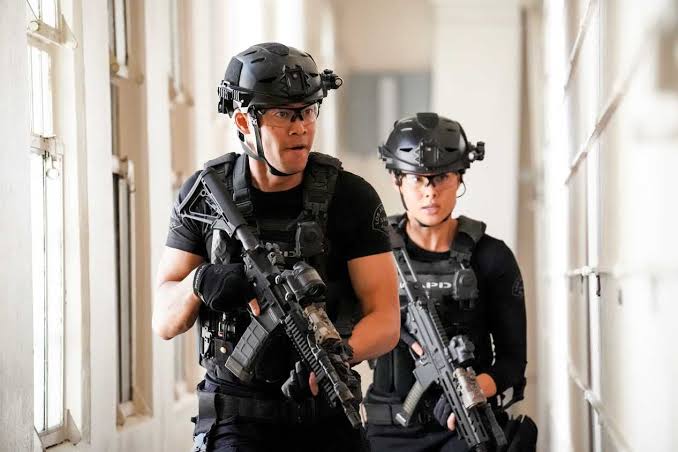
One Storytelling Rule S.W.A.T. Refused to Follow Made the Series Better dt02
Television Has Become Obsessed With Surprising the Audience
Modern television often treats every episode like a competition.
Which show has the biggest twist?
Which finale leaves the audience speechless?
Which cliffhanger dominates social media?
Many series now build entire seasons around shocking revelations.
S.W.A.T. rarely relied on that formula.
Instead of constantly trying to surprise viewers, the series focused on delivering satisfying stories that felt complete.
Ironically, that restraint became one of its greatest strengths.
A Good Story Didn’t Need a Last-Minute Surprise

Rather than saving everything for the final five minutes, S.W.A.T. spread its dramatic moments throughout the episode.
Important decisions happened early.
Unexpected complications appeared naturally.
The tension built steadily instead of depending on one shocking reveal.
That pacing allowed viewers to stay invested from beginning to end rather than simply waiting for the twist.
Predictable Didn’t Mean Boring
Some critics argue that procedurals are too formulaic.
S.W.A.T. demonstrated that familiarity and boredom aren’t the same thing.
Audiences generally understood the overall structure.
A mission would begin.
Problems would arise.
The squad would adapt.
But the journey between those points constantly changed.
The enjoyment came from watching skilled professionals solve new challenges—not from wondering whether the writers could invent another unbelievable surprise.
Consistency Built Long-Term Loyalty
Viewers returned every week because they trusted the storytelling.
The show didn’t promise outrageous twists.
It promised engaging action, believable teamwork, and characters worth following.
Over time, that consistency became more valuable than shock value.
It created a dependable viewing experience that helped sustain the series for years.
S.W.A.T. proved that not every successful television drama needs constant plot twists. By focusing on well-paced storytelling instead of endless surprises, the series earned something more valuable than momentary buzz: lasting audience loyalty. Sometimes consistency is the biggest surprise of all.
FAQs
1. Did S.W.A.T. rely on cliffhangers?
Not as heavily as many modern action dramas.
2. What kept viewers interested?
Strong pacing, engaging missions, and compelling characters.
3. Was the show predictable?
Its structure was familiar, but each mission introduced different challenges.
4. Why did consistency help?
It created trust between the series and its audience.
5. What’s the main storytelling lesson?
A satisfying story doesn’t always need a shocking ending.